

Every sensor an enterprise owns, thinking as one
Twenty months of writing about data, AI and sovereignty point to one idea: an intelligence layer that turns what an enterprise already owns into foresight, under its own control.
Read articleField notes from the team at SCALE&RATIOS on building intelligence that institutions can trust, inspect and own, for the decisions where mistakes are expensive.

AI adds new things to protect: training data, models, prompts and, increasingly, the actions systems can take. Zero-trust principles apply to all of them.
Read article
Supply chains fail quietly: a stock-out here, an idle vehicle there. Joining inventory, orders and movement data turns those surprises into forecasts.
Read article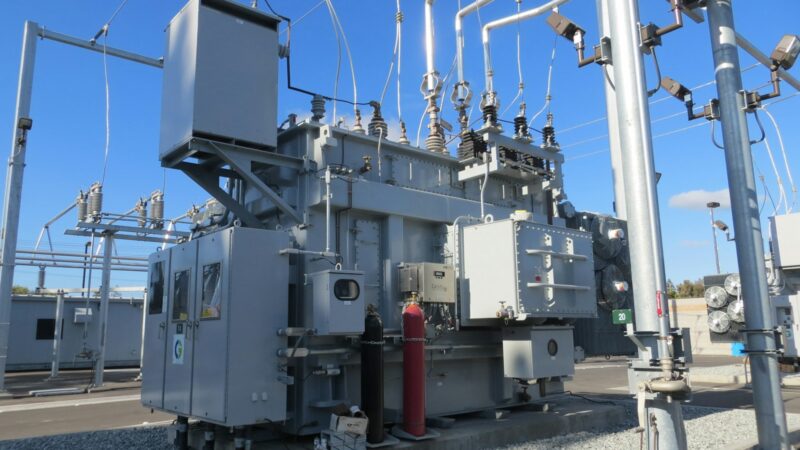
Utilities do not lack alarms. They have too many of them. Better anomaly detection is about fewer, more trustworthy alerts.
Read article
Roads, bridges, buildings and plants age every day. The question is whether we find faults on a schedule, or early enough to repair them on plan.
Read article
Equipment availability is decided long before a failure. Usage, repair history and fault data, read together, can tell you what will break and which parts you will need.
Read article
At enterprise scale, a citizen assistant that works well in one language serves a fraction of the people it should. Multilingual AI is a requirement, not a feature.
Read article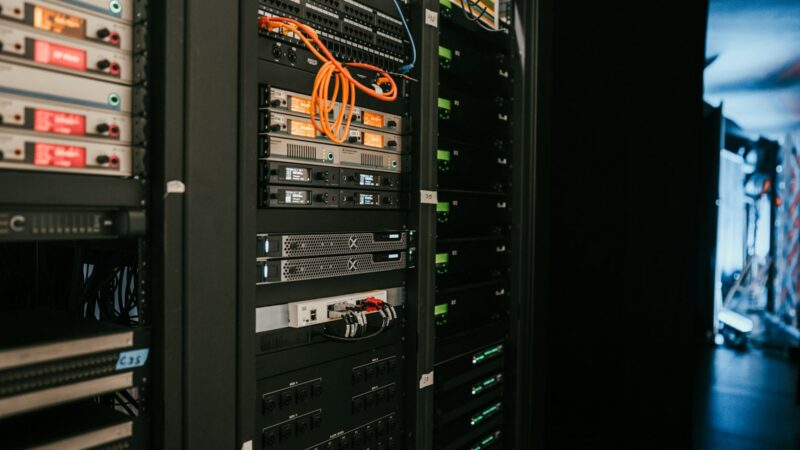
Scaling AI without a management system is like scaling a factory without quality control. Standards such as ISO/IEC 42001 give institutions a practical framework.
Read article
Health programmes sit on decades of paper records. Scanning them is the easy part. Making them useful at the point of care is the real work.
Read article
Dependence on closed, foreign-controlled AI stacks carries costs that rarely appear in the procurement file. They appear later, at the worst possible time.
Read article
The places where AI matters most are often the places where the network is weakest. Critical systems should keep working when the connection doesn't.
Read article
Mission-critical AI fails in surprising ways when the compute underneath it was chosen from a catalogue. The use case should specify the hardware, not the other way round.
Read article
Most AI pilots end in a slide deck. A good pilot ends in a decision: scale it, change it or stop it. That only happens if success is defined before the first line of code.
Read article
A single operator may be responsible for 10 to 15 screens. Attention collapses within minutes. Good AI starts with that human reality.
Read article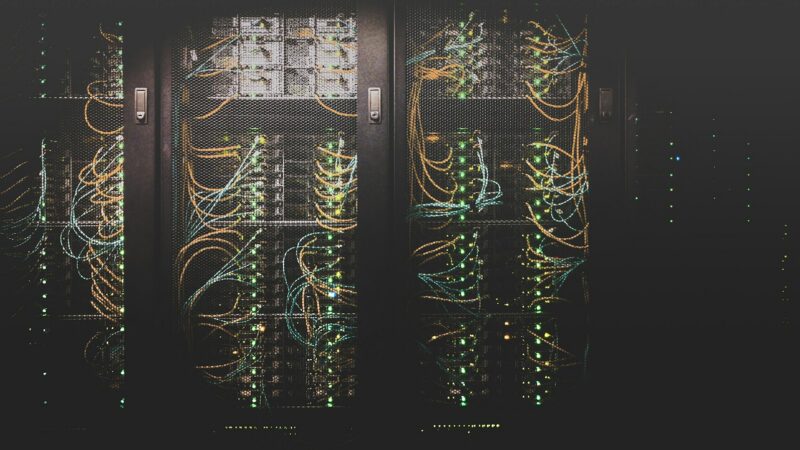
The word sounds academic. The idea is practical: describe your world once, precisely, so that every system and every model understands it the same way.
Read article
"A person can always override it" is not a safety strategy. Real human oversight has to be designed into the workflow.
Read article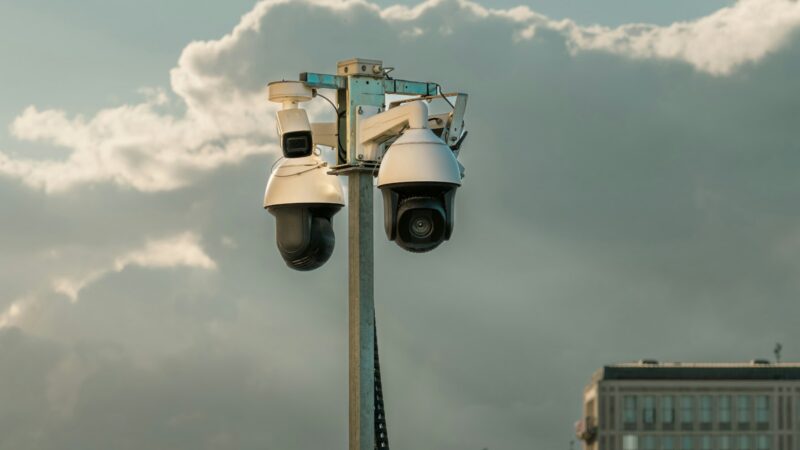
Most safety systems are built to explain incidents after the fact. The shift that matters is from reaction to anticipation.
Read article
Before an organisation can trust its AI, it has to agree on what its own data means. The data dictionary is the least glamorous and most important AI investment.
Read article
Cameras, drones and sensors record almost everything. Almost none of it is ever analysed. That is a design problem, not a staffing problem.
Read article
We treat roads, power and water as things an enterprise must control. The intelligence that runs them belongs on the same list.
Read articleNo articles in this topic yet.
Tell us the decision you need to make faster. We'll share how we would approach it in a private briefing.