
Hardware matched to purpose
Mission-critical AI fails in surprising ways when the compute underneath it was chosen from a catalogue. The use case should specify the hardware, not the other way round.
Read articleA single operator may be responsible for 10 to 15 screens. Attention collapses within minutes. Good AI starts with that human reality.
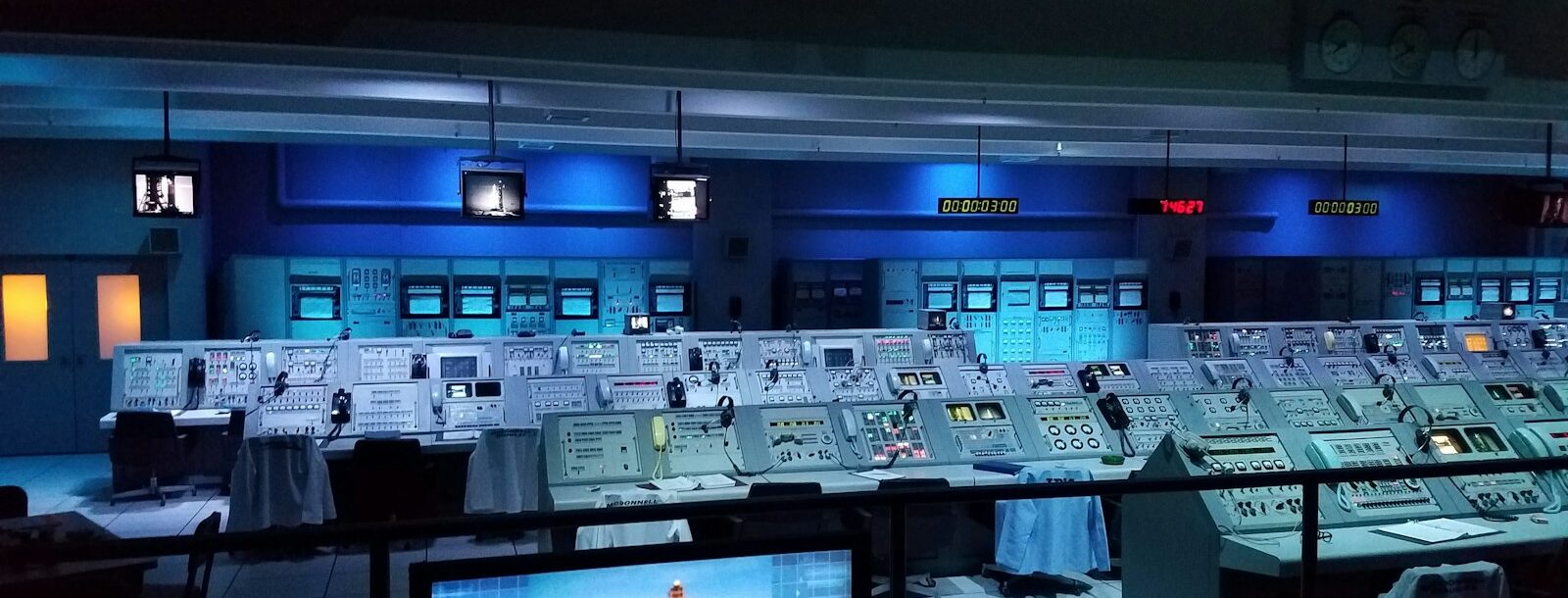
Technology conversations tend to begin with the model, the sensor or the dashboard. We think they should begin with the person in the chair. In many control rooms, one operator is responsible for 10 to 15 screens. Research on vigilance has long shown that sustained attention drops quickly on monotonous tasks. Within minutes, important events start to slip past.
This is not a failing of the people. It is a failing of the design.
Across control rooms, wards and depots, the same three ideas make the difference between a system operators trust and one they learn to ignore.
The job of an intelligent system is to filter. Instead of fifteen live feeds, the operator should see the two that matter right now, with a clear reason why. Everything else can wait in the background until it becomes relevant.
Not all alerts are equal. A system that treats a loitering person and a perimeter breach the same way trains operators to ignore both. Alerts should arrive ranked, with the highest risk first and repeat or related events grouped together.
The person who needs to act is often not in the control room. A supervisor on patrol, a nurse on another ward or an engineer on site needs the alert on a phone, tablet or watch, with just enough context to decide.
If an operator has to search for the problem, the system has already failed them.
When we evaluate a deployment, we look beyond model accuracy. We measure time to detect, false alarms per shift, how often operators act on alerts and how often they override them. Those human numbers tell you whether the system is helping or simply adding noise.
Want to explore how this applies to your organisation? We share our approach with qualified organisations in a private briefing.
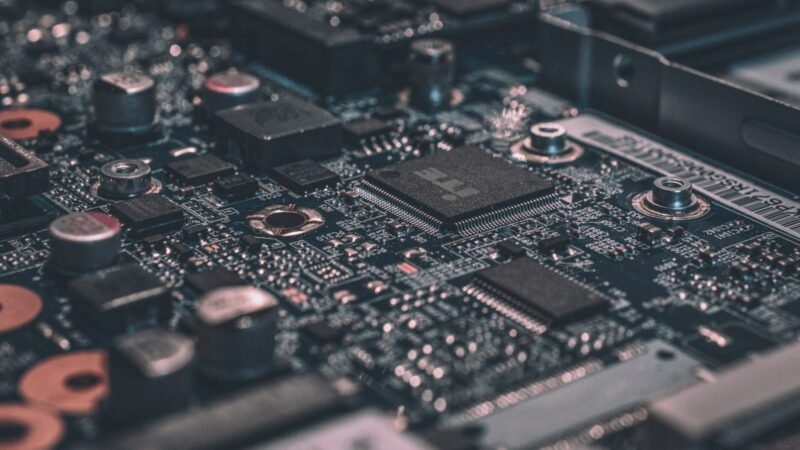
Mission-critical AI fails in surprising ways when the compute underneath it was chosen from a catalogue. The use case should specify the hardware, not the other way round.
Read article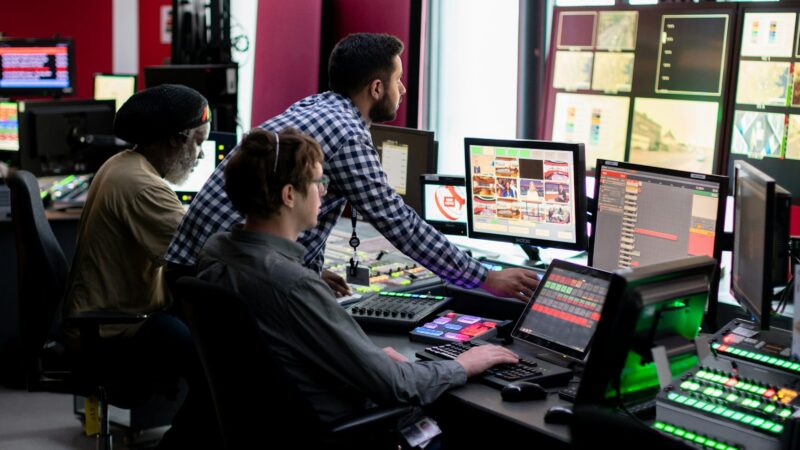
Most AI pilots end in a slide deck. A good pilot ends in a decision: scale it, change it or stop it. That only happens if success is defined before the first line of code.
Read article
Twenty months of writing about data, AI and sovereignty point to one idea: an intelligence layer that turns what an enterprise already owns into foresight, under its own control.
Read article