
Grids, water and the false-alert problem
Utilities do not lack alarms. They have too many of them. Better anomaly detection is about fewer, more trustworthy alerts.
Read articleOur data observability framework gives real-time visibility, trust and control over data assets. It continuously monitors quality, lineage, freshness and reliability across distributed systems, to strict security and compliance standards.
See where every dataset came from and what depends on it.
Know about broken pipelines and stale data before users do.
Catch upstream changes that silently break reports and models.
Domain-specific rules that point to the cause, not just the symptom.
A reference architecture for Data Observability, adapted to each client's data, networks and hardware.
The same discipline, adapted to each sector's data, rules and risks. See all industries.
Drift and anomaly detection on operational feeds, with lineage traced back to every source.
Explore DefenceAlerts for missing, late or abnormal meter and sensor data before it distorts reports and forecasts.
Explore Energy & UtilitiesMonitoring of tracking and inventory feeds so plans are never built on stale data.
Explore Transport & LogisticsOne accountable team covers the full lifecycle, with security and governance built in from the first sprint.
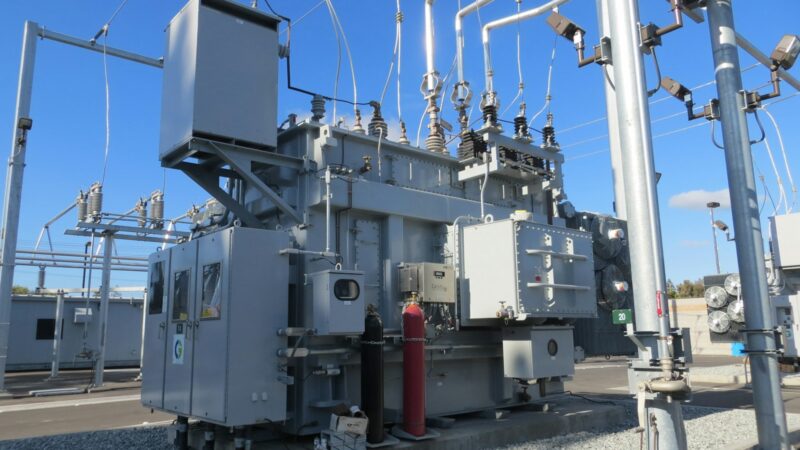
Utilities do not lack alarms. They have too many of them. Better anomaly detection is about fewer, more trustworthy alerts.
Read article
Before an organisation can trust its AI, it has to agree on what its own data means. The data dictionary is the least glamorous and most important AI investment.
Read article
Most AI pilots end in a slide deck. A good pilot ends in a decision: scale it, change it or stop it. That only happens if success is defined before the first line of code.
Read articleTell us the problem and the data you have. We'll propose a measured pilot on approved data, networks and hardware.