
Pilots that prove something
Most AI pilots end in a slide deck. A good pilot ends in a decision: scale it, change it or stop it. That only happens if success is defined before the first line of code.
Read articleMission-critical AI fails in surprising ways when the compute underneath it was chosen from a catalogue. The use case should specify the hardware, not the other way round.
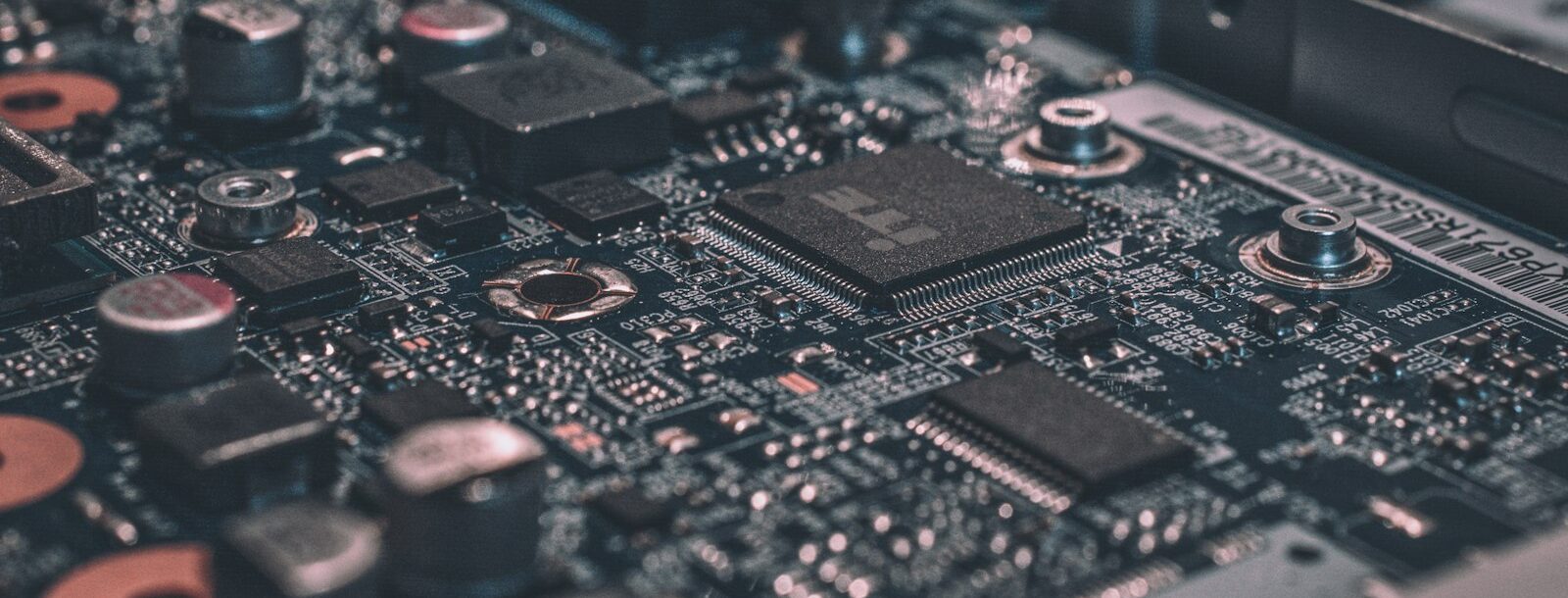
Software teams like to treat hardware as a commodity: choose a cloud instance, scale it up if needed and move on. For a large class of mission-critical problems, that approach breaks down. A camera on a highway, a sensor on a ship or a terminal in a remote clinic has constraints a data centre never sees.
An AI model that performs beautifully in the lab can be useless if the hardware it lands on cannot meet these conditions.
Size the compute to the data: its volume, its speed and its sensitivity.
We follow a simple sequence: define the use case, profile the data, specify the hardware, build and test together, then deploy and keep improving. The key is that hardware decisions are made after we understand the data, and alongside the model, not before either.
Matching hardware to purpose rarely means designing from scratch. More often it means choosing the right accelerators, storage and networking for the workload, hardening them for the environment and building in security from the boot sequence up. Occasionally, when the workload is distinctive enough, it does justify custom silicon.
Control of data and models is only as strong as control of the hardware they run on. Secure boot, encryption, tamper detection and the ability to operate fully offline are not extras for critical systems. They are part of the specification.
Want to explore how this applies to your organisation? We share our approach with qualified organisations in a private briefing.

Most AI pilots end in a slide deck. A good pilot ends in a decision: scale it, change it or stop it. That only happens if success is defined before the first line of code.
Read article
A single operator may be responsible for 10 to 15 screens. Attention collapses within minutes. Good AI starts with that human reality.
Read article
Twenty months of writing about data, AI and sovereignty point to one idea: an intelligence layer that turns what an enterprise already owns into foresight, under its own control.
Read article