
Recording is not preventing
Most safety systems are built to explain incidents after the fact. The shift that matters is from reaction to anticipation.
Read articleThe places where AI matters most are often the places where the network is weakest. Critical systems should keep working when the connection doesn't.
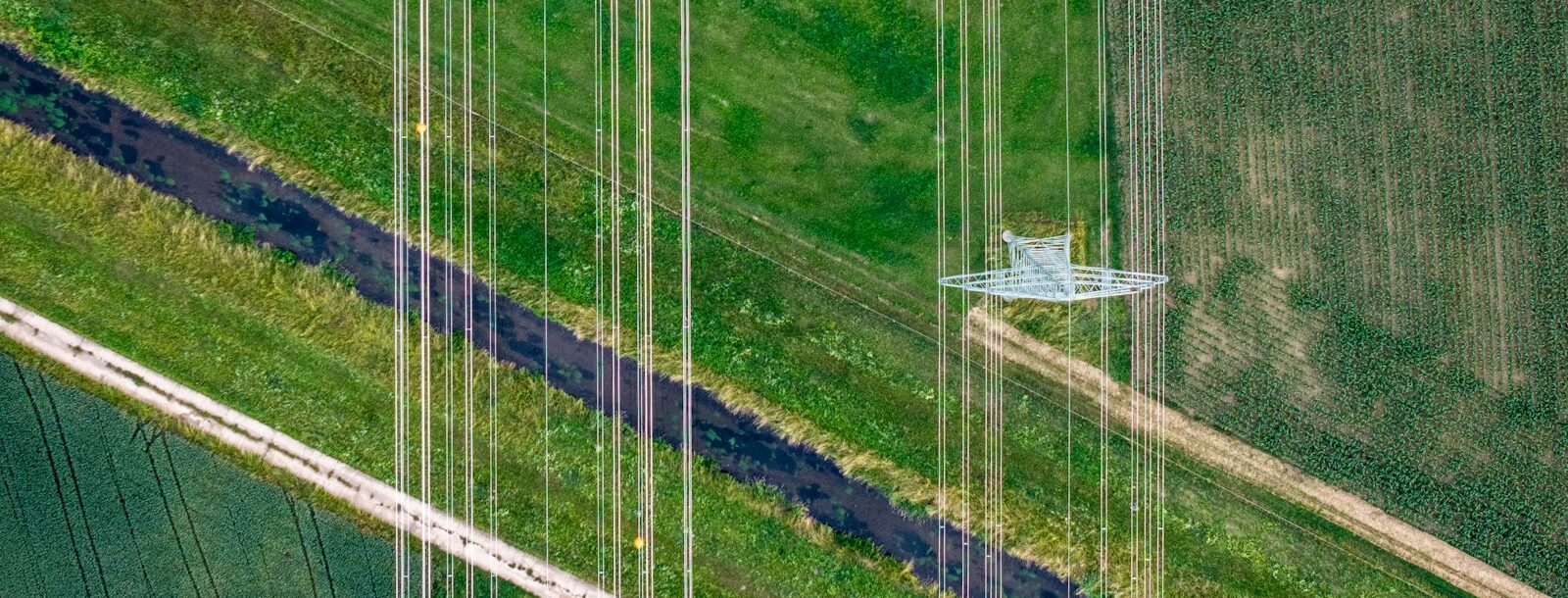
Much of today’s AI quietly assumes a fast, permanent connection to a large data centre. That assumption fails precisely where the stakes are highest: border posts, ships, rural clinics, substations, highways and disaster zones. It also fails by design in secure environments where networks are deliberately isolated.
If a system is built to work offline and treats connectivity as a bonus, it degrades gracefully. If it is built for the cloud and patched for offline use, it tends to fail in confusing ways. We start from the hardest case.
A system that stops thinking when the network drops is not a critical system.
Consider a health worker documenting care in a village with no reliable signal. If the application needs a connection to save a record, the record is not made, or it is made on paper and typed in later with errors. A multilingual application that works fully offline and synchronises when it can is the difference between complete records at the point of care and a backlog of paperwork.
Systems that do not need to call home have a smaller attack surface and keep sensitive data on site. For defence and critical infrastructure, the ability to operate in an air-gapped environment is often a requirement, not a preference.
The obvious question is how offline systems improve. The answer is controlled, signed updates delivered on the institution’s terms, with versioning and the ability to roll back. Improvement and isolation are not opposites.
Want to explore how this applies to your organisation? We share our approach with qualified organisations in a private briefing.
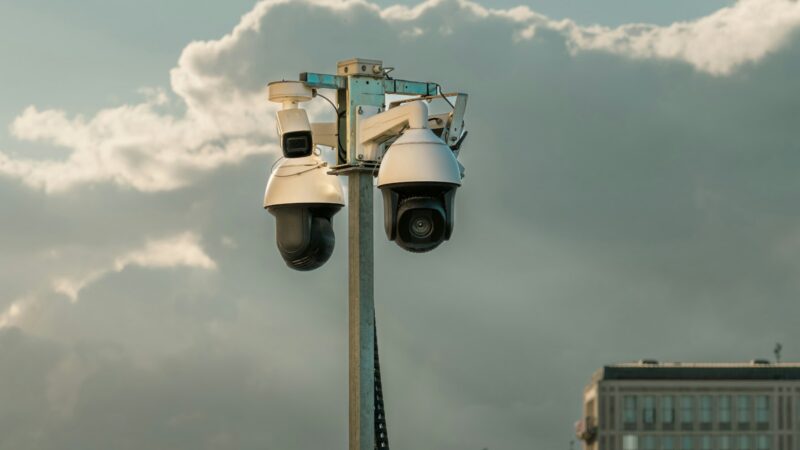
Most safety systems are built to explain incidents after the fact. The shift that matters is from reaction to anticipation.
Read article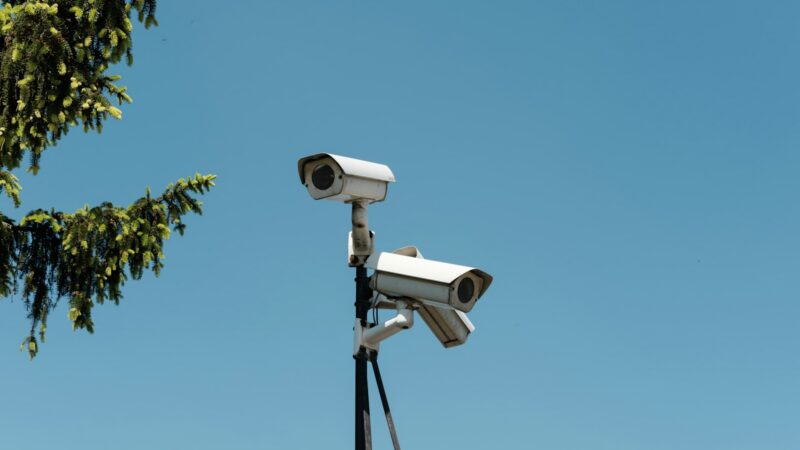
Cameras, drones and sensors record almost everything. Almost none of it is ever analysed. That is a design problem, not a staffing problem.
Read article
Twenty months of writing about data, AI and sovereignty point to one idea: an intelligence layer that turns what an enterprise already owns into foresight, under its own control.
Read article