
Every sensor an enterprise owns, thinking as one
Twenty months of writing about data, AI and sovereignty point to one idea: an intelligence layer that turns what an enterprise already owns into foresight, under its own control.
Read articleSupply chains fail quietly: a stock-out here, an idle vehicle there. Joining inventory, orders and movement data turns those surprises into forecasts.

Logistics leaders often know exactly what went wrong last month. What they lack is a reliable view of what will go wrong next week. The data needed to see it exists, but it sits in separate systems: inventory in one, orders in another, vehicle movements in a third.
Supply chain intelligence begins by combining inventory, orders and movement records into a single, trusted picture. From there, demand can be forecast and exceptions flagged before they become shortages or surpluses.
Vehicle status, trips and faults, tracked across a fleet, show which vehicles are underused, which are overworked and which are heading for a breakdown. Early maintenance alerts keep vehicles available when they are needed.
A late delivery is usually a forecasting problem that arrived on time.
Many routes are planned the way they have always been planned. Using live and historical movement data to plan routes and loads shortens delivery times and reduces fuel and handling costs, often without any new vehicles at all.
Depots, yards, railway stations and highways are covered by cameras that are rarely watched. Analysing that footage for unsafe behaviour, unauthorised access and traffic incidents adds a safety layer to the same operational picture.
Want to explore how this applies to your organisation? We share our approach with qualified organisations in a private briefing.

Twenty months of writing about data, AI and sovereignty point to one idea: an intelligence layer that turns what an enterprise already owns into foresight, under its own control.
Read article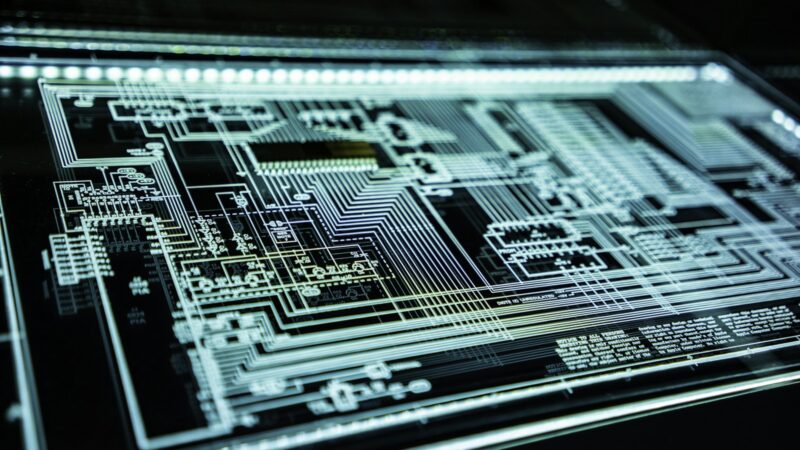
AI adds new things to protect: training data, models, prompts and, increasingly, the actions systems can take. Zero-trust principles apply to all of them.
Read article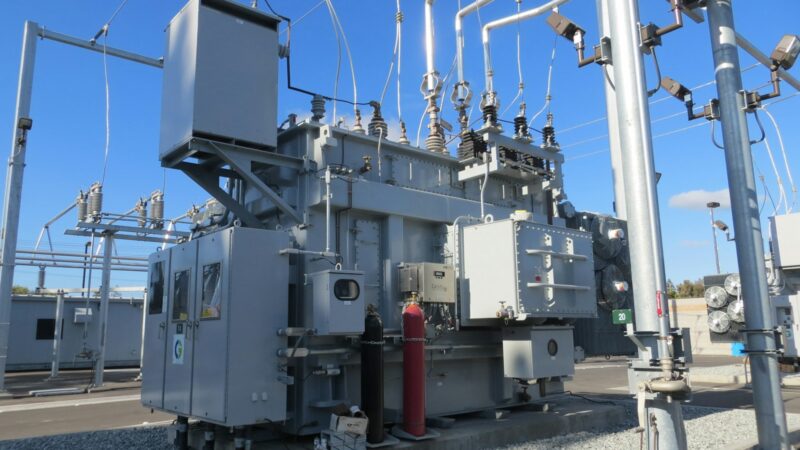
Utilities do not lack alarms. They have too many of them. Better anomaly detection is about fewer, more trustworthy alerts.
Read article