
Every sensor an enterprise owns, thinking as one
Twenty months of writing about data, AI and sovereignty point to one idea: an intelligence layer that turns what an enterprise already owns into foresight, under its own control.
Read articleRoads, bridges, buildings and plants age every day. The question is whether we find faults on a schedule, or early enough to repair them on plan.
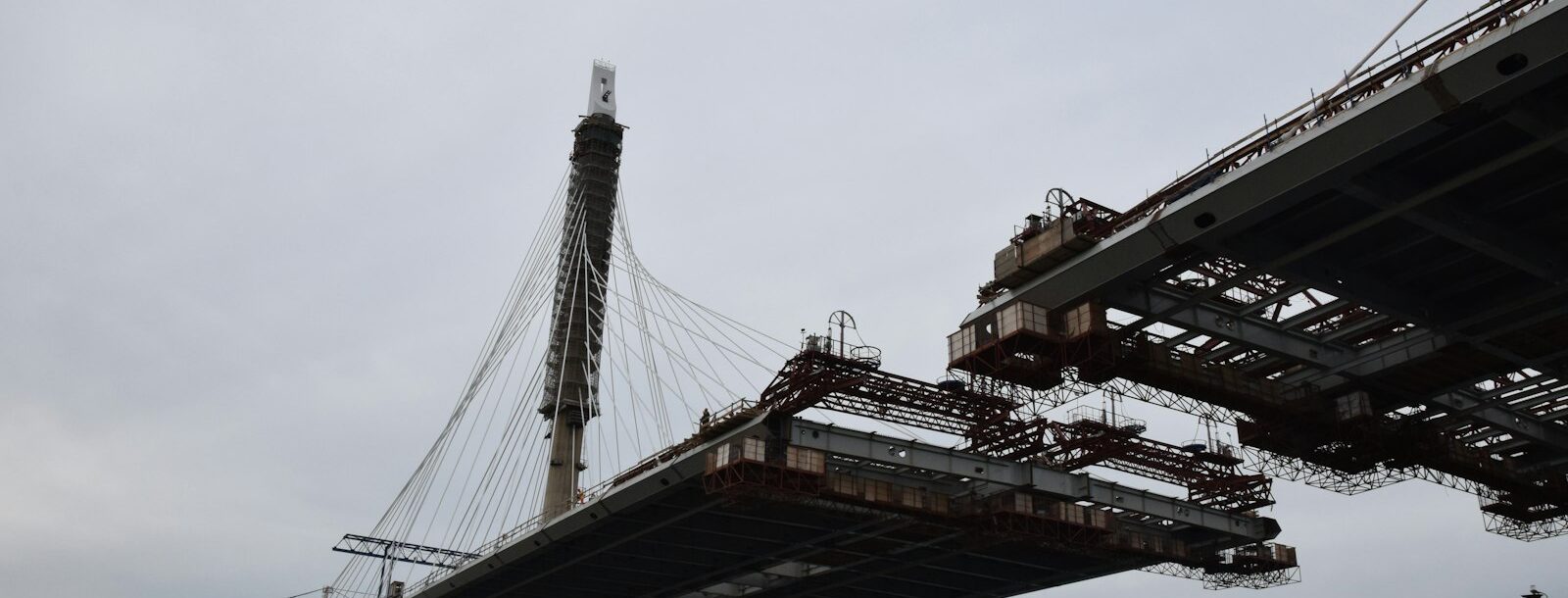
Public infrastructure is maintained largely by inspection: people visit sites at intervals, record what they see and raise work orders. The model is sound but slow, and it struggles with scale. By the time a defect is noticed, it is often already a repair job rather than a maintenance task.
Sensors and existing cameras can track the condition of structures and plants continuously. Combined with inspection records, they show not just the state of an asset but how fast it is changing.
Computer vision applied to images and video can detect cracks, corrosion and safety risks the same way every time. Inspectors spend less time travelling and more time on the cases that need expert judgement.
Schedules, costs and field data usually live in different systems. Bringing them onto one live view means delays and cost overruns are spotted while there is still time to act.
Planned repairs cost less, disrupt less and fail less than emergency ones.
Not every asset needs the same attention. Begin with the ones whose failure would be most costly or dangerous, prove the approach there and expand. Measure defects caught, inspection time, unplanned downtime and schedule variance.
Infrastructure lives for decades. The data platforms that support it should be built to outlast any single vendor, with open interfaces and data that remains under the owner’s control.
Want to explore how this applies to your organisation? We share our approach with qualified organisations in a private briefing.

Twenty months of writing about data, AI and sovereignty point to one idea: an intelligence layer that turns what an enterprise already owns into foresight, under its own control.
Read article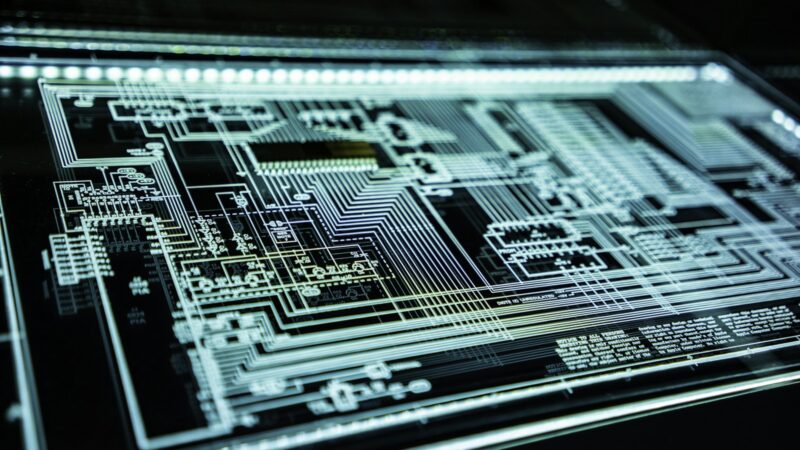
AI adds new things to protect: training data, models, prompts and, increasingly, the actions systems can take. Zero-trust principles apply to all of them.
Read article
Supply chains fail quietly: a stock-out here, an idle vehicle there. Joining inventory, orders and movement data turns those surprises into forecasts.
Read article