
Every sensor an enterprise owns, thinking as one
Twenty months of writing about data, AI and sovereignty point to one idea: an intelligence layer that turns what an enterprise already owns into foresight, under its own control.
Read articleUtilities do not lack alarms. They have too many of them. Better anomaly detection is about fewer, more trustworthy alerts.
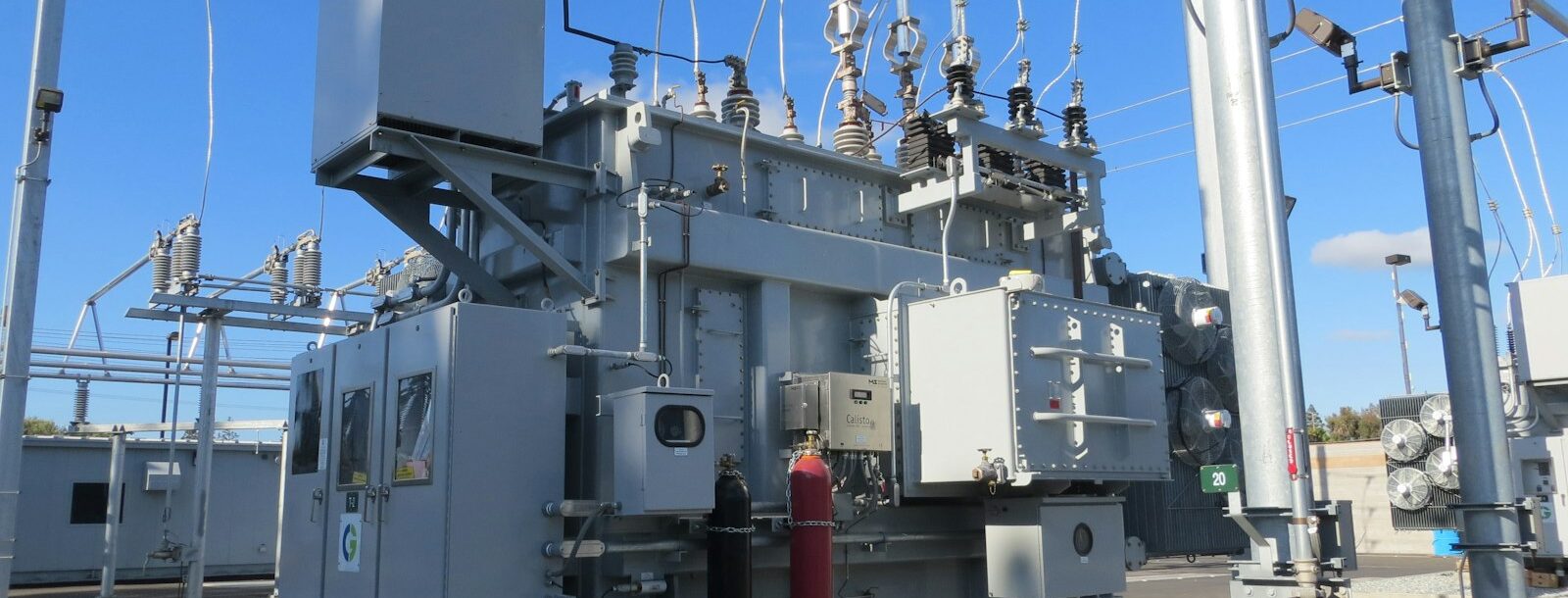
Power, water and utility networks produce a constant stream of readings: flow, pressure, voltage, temperature and consumption, across thousands of points. Most control systems respond with threshold alarms. Cross a line, raise an alert.
The result is familiar to every operator: alarm floods, nuisance alerts and, eventually, alarms that people learn to ignore. That is when a real problem slips through.
A reading is only abnormal relative to what is normal for that asset, at that time, under those conditions. A pressure that is alarming at 3 a.m. may be routine at 7 a.m. Anomaly detection that learns these patterns raises far fewer, far better alerts.
The goal is not to detect more. It is to be believed when you do.
Some of the most important signals are visual: smoke, leaks, intrusion or a piece of equipment that looks wrong. Cameras that are already installed at plants and substations can contribute to the same early-warning picture, provided their footage is analysed rather than merely stored.
We measure these pilots by energy saved, false alerts, response time and data accuracy. A reduction in false alerts is often the first result operators notice, and the one that earns their trust.
Want to explore how this applies to your organisation? We share our approach with qualified organisations in a private briefing.

Twenty months of writing about data, AI and sovereignty point to one idea: an intelligence layer that turns what an enterprise already owns into foresight, under its own control.
Read article
AI adds new things to protect: training data, models, prompts and, increasingly, the actions systems can take. Zero-trust principles apply to all of them.
Read article
Supply chains fail quietly: a stock-out here, an idle vehicle there. Joining inventory, orders and movement data turns those surprises into forecasts.
Read article