
Every sensor an enterprise owns, thinking as one
Twenty months of writing about data, AI and sovereignty point to one idea: an intelligence layer that turns what an enterprise already owns into foresight, under its own control.
Read articleEquipment availability is decided long before a failure. Usage, repair history and fault data, read together, can tell you what will break and which parts you will need.
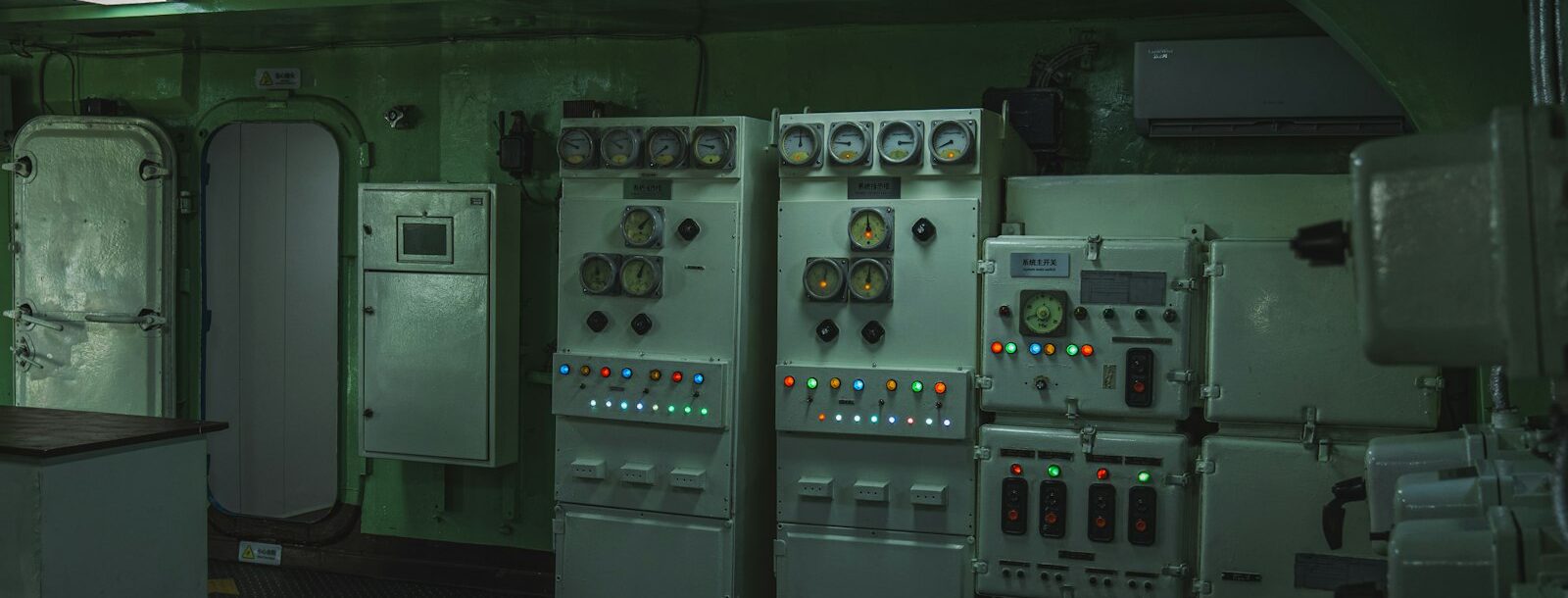
In defence, readiness is everything. A platform that is unavailable on the day it is needed might as well not exist. Yet maintenance is still largely driven by fixed schedules and by failures that have already happened.
The information needed to do better usually exists. It is spread across logbooks, maintenance systems, supply records and sensor data that are rarely brought together.
Repair forecasting starts by joining three kinds of data: how equipment is actually used, what has been repaired and when, and which faults appeared beforehand. Read together, they reveal patterns that a fixed schedule cannot: the component that tends to fail after a certain kind of mission, or the fault code that reliably precedes a larger problem.
The best time to order a part is before anyone knows they need it.
Defence data cannot be shipped to a convenient cloud for analysis. Readiness analytics have to run inside secure networks, on infrastructure the institution controls, with data pipelines that respect classification and access rules. The analysis comes to the data, not the other way round.
We judge readiness pilots on unplanned downtime, equipment availability and how accurately failures were forecast. Those are the numbers that matter on the day.
Want to explore how this applies to your organisation? We share our approach with qualified organisations in a private briefing.

Twenty months of writing about data, AI and sovereignty point to one idea: an intelligence layer that turns what an enterprise already owns into foresight, under its own control.
Read article
AI adds new things to protect: training data, models, prompts and, increasingly, the actions systems can take. Zero-trust principles apply to all of them.
Read article
Supply chains fail quietly: a stock-out here, an idle vehicle there. Joining inventory, orders and movement data turns those surprises into forecasts.
Read article