
Offline by default
The places where AI matters most are often the places where the network is weakest. Critical systems should keep working when the connection doesn't.
Read articleMost safety systems are built to explain incidents after the fact. The shift that matters is from reaction to anticipation.
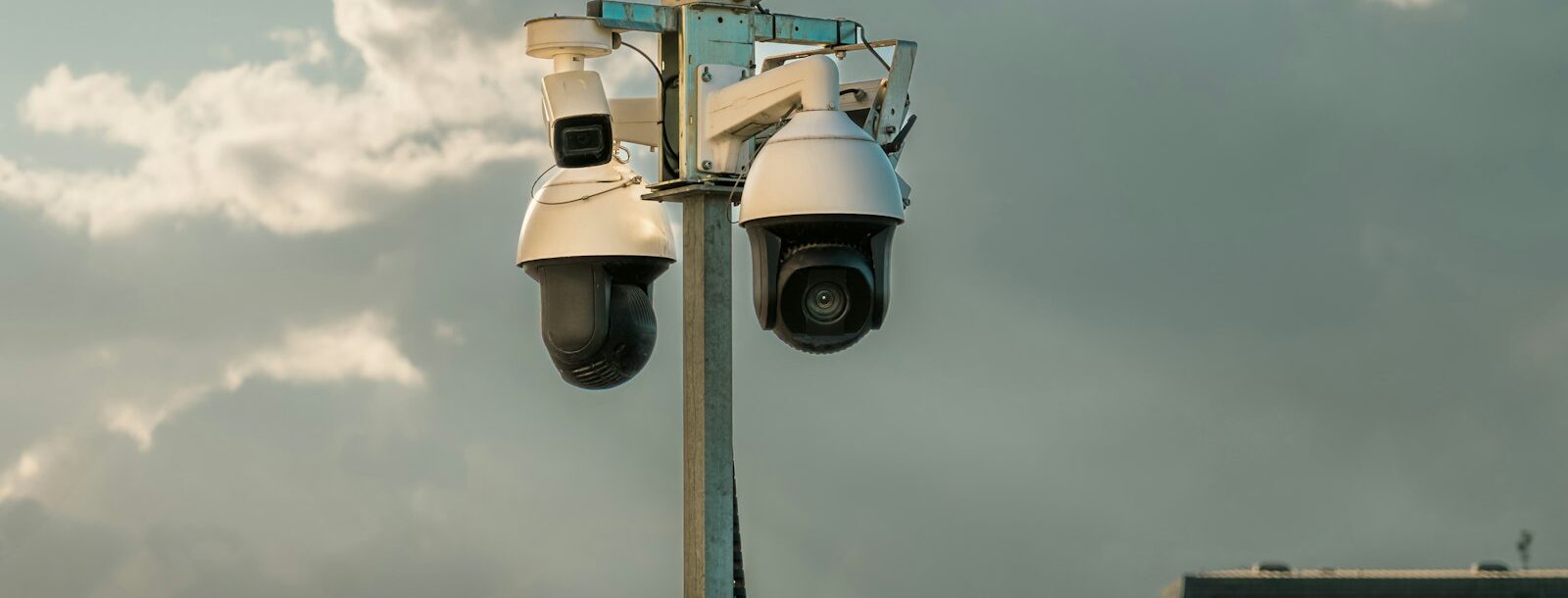
There is a quiet assumption built into most surveillance and monitoring systems: something will happen, and afterwards we will want to know what it was. The design follows from that assumption. Store everything, search it later, hand it to an investigator.
That made sense when analysis required a person. It makes much less sense when machines can watch continuously and notice change as it happens.
A recording system answers one question: what happened? An intelligent system answers four, in order:
Each step adds value only if the previous one is reliable. That is why the sequence matters, and why jumping straight to automated action without understanding is dangerous.
Late detection turns a minor incident into a crisis. Early warning turns a crisis back into a minor incident.
Anticipation does not mean knowing the future. It means scoring risk early enough that someone can intervene: a supervisor checks a zone, a maintenance crew visits a pump, a nurse looks in on a patient. Most of those interventions will turn out to be routine. A few will prevent something serious. That trade is almost always worth making.
If the goal is prevention, the most important part of the system is not storage. It is the alert: who receives it, how quickly, with what evidence and what they are allowed to do next. Start there, and work backwards.
Want to explore how this applies to your organisation? We share our approach with qualified organisations in a private briefing.
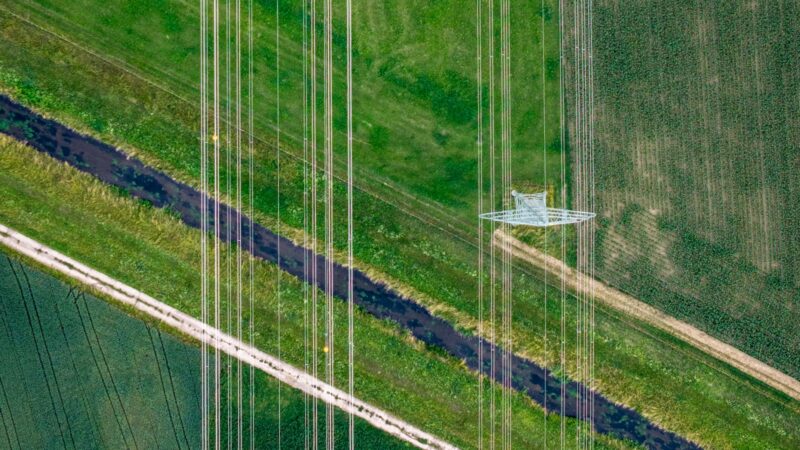
The places where AI matters most are often the places where the network is weakest. Critical systems should keep working when the connection doesn't.
Read article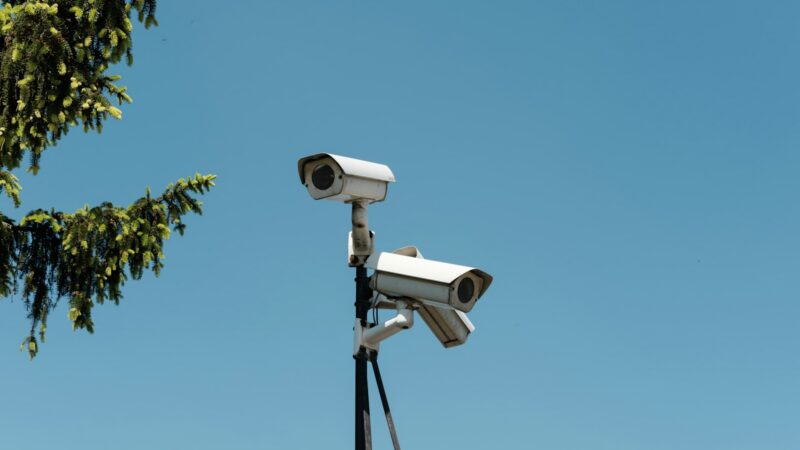
Cameras, drones and sensors record almost everything. Almost none of it is ever analysed. That is a design problem, not a staffing problem.
Read article
Twenty months of writing about data, AI and sovereignty point to one idea: an intelligence layer that turns what an enterprise already owns into foresight, under its own control.
Read article