
Digitising the past: turning paper into usable history
Health programmes sit on decades of paper records. Scanning them is the easy part. Making them useful at the point of care is the real work.
Read articleOur digitisation framework closes the gap between legacy records and real-time intelligence, converting paper documents, maps, blueprints, medical records, forms and registers into structured, searchable and actionable digital assets.
Scanning with OCR and ICR engines that read print and handwriting.
AI classification and metadata tagging turn pages into fields you can search and analyse.
Every record traceable to its source, with quality checks and human review for hard cases.
Encryption, audit trails and compliant storage for sensitive records.
A reference architecture for Digitisation of Physical Data, adapted to each client's data, networks and hardware.
The same discipline, adapted to each sector's data, rules and risks. See all industries.
Handwritten patient records, prescriptions and reports converted into EHR-ready formats.
Explore HealthcareLegacy maps and land records digitised and geo-referenced into a searchable GIS.
Explore GISOperational logs, maps and registers indexed for secure access through air-gapped systems.
Explore DefenceOne accountable team covers the full lifecycle, with security and governance built in from the first sprint.
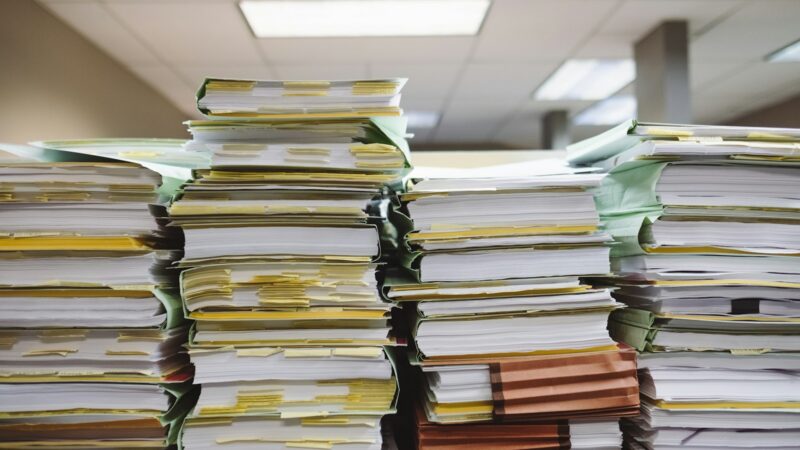
Health programmes sit on decades of paper records. Scanning them is the easy part. Making them useful at the point of care is the real work.
Read article
At enterprise scale, a citizen assistant that works well in one language serves a fraction of the people it should. Multilingual AI is a requirement, not a feature.
Read article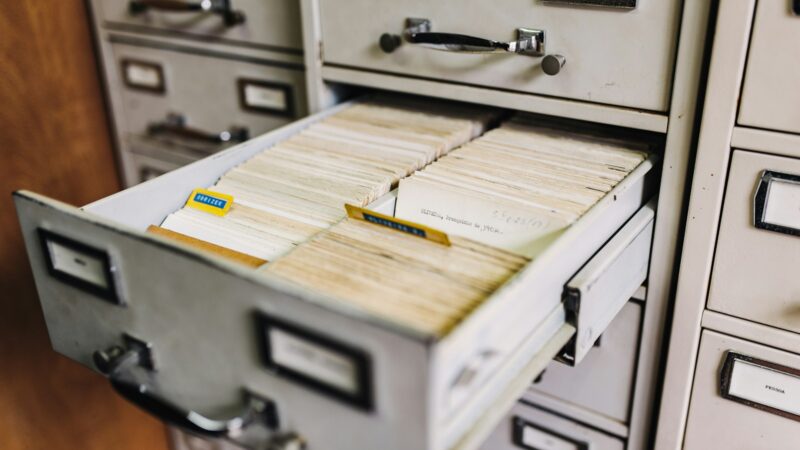
Before an organisation can trust its AI, it has to agree on what its own data means. The data dictionary is the least glamorous and most important AI investment.
Read articleTell us the problem and the data you have. We'll propose a measured pilot on approved data, networks and hardware.